



The promise
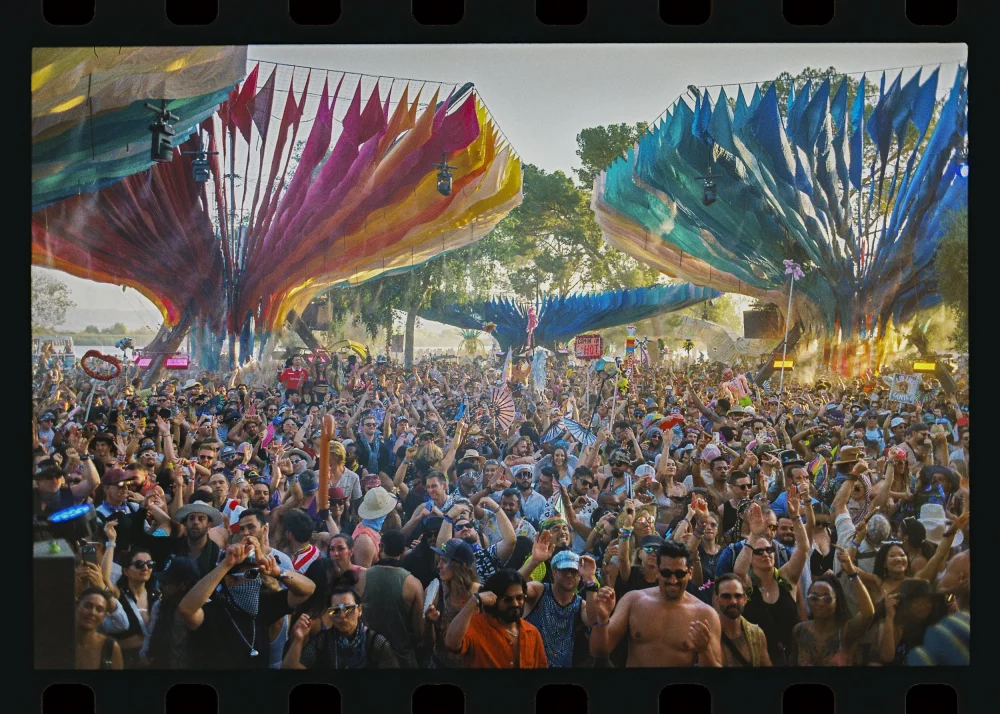
Lightning in a Bottle is not compelling because it is effortless. LIB remains compelling because it keeps trying to build a temporary city where beauty, chaos, care, dust, commerce, sound and self-expression all have to negotiate with each other. The Do LaB mythology still matters. LIB carries a story of independent festival building, handmade environments, art-first staging, and the kind of California countercultural imagination that turns a campground into a social experiment. LIB is partly romantic because festivals need romance. The promise has substance because LIB has spent years making participation, art, workshops and camp life central to the product rather than treating them as add-ons. The myth is only the start. The Buena Vista Lake chapter gives LIB a more complicated and more revealing story.
A festival at this scale has permits, county politics, law-enforcement concerns, economic impact, public-health scrutiny, lawsuits in its archive, refund history, and a real relationship with the place that hosts it. None of that cancels the beauty. It explains what the beauty costs to hold. Clothing reveals how participation works here. A festival cannot be reduced to a lineup or atmosphere. The costume closet only works when the infrastructure underneath it remains visible, usable and accessible throughout the weekend. Under the costume are water, toilets, roads, medical teams, shade, dust, rules, wristbands, art grants, food vendors, class schedules, campsites and thousands of people trying to behave like a community before the weekend melts. LIB’s best argument is that it still understands the temporary-city part. The festival gives people environments to move through instead of a sequence of stages to stand in front of.
Where the promise meets the ground
The Moon Room, Jive Joint, Unicorn Palace, ArtClave, Learning Kitchen, Yoga Sol, Gong Sanctuary, markets, lake resets, and camp-neighbour etiquette all point toward a festival that wants people to live inside a temporary settlement for a few days. The care infrastructure is one of the most important parts of that culture. Sanctuary, DanceSafe, medical services, Rangers, emotional support, and sober-community services are not glamorous in the same way as a stage photo, but they are part of the real architecture. Harm reduction and support systems make freedom less reckless. The fashion story is also better when it admits the site. LIB style includes dust masks, scarves, goggles, swim layers, kimono movement, boots, handmade jewelry, body-friendly fabrics, shade-conscious silhouettes, and the shift from daylight survival to nighttime fantasy. The best outfits know the climate and still decide to be beautiful.


That separates festival fashion from costume as decoration. At LIB, a strong look has to move, sweat, sit in the dirt, survive wind, maybe carry water, maybe handle a lake reset, and still express something. The strongest LIB style is: elevated, embodied, and practical enough to be real. The site’s public-health shadow needs careful handling. Valley Fever concerns, dust, heat, and past safety controversies are not reasons to sensationalize the festival. They are reasons to write like adults. A good feature can admire LIB’s care language while reminding readers that care exists because the environment has teeth. The contradiction between independent mythology and premium comfort is also part of the modern LIB story. VIP, boutique camping, artist-access zones, exclusive bars, and layered comfort tiers do not automatically make a festival hollow. They do change the social shape.
Why the story still holds
A temporary city with different comfort classes still has to acknowledge those differences honestly. Lightning in a Bottle remains worth covering because it puts the whole festival question in one place. Can a large event still feel handmade? Can a party world make room for learning and care? Can self-expression stay interesting when it has to respect heat, dust, and neighbours? Can a festival sell a dream without hiding the labor beneath it? That tension makes LIB more interesting. LIB is a beautiful argument with logistics attached. The lake, lineup, dust, outfits, workshops, art, health pages and camp map become one story there. Follow Lightning in a Bottle’s official pass and festival updates for current passes, camping, health and safety, and schedule information.
The best LIB feature keeps the romance alive while making the infrastructure visible. The position is simple. Risk management does not need to flatten the festival, and festival mythology does not need to drift away on atmosphere. The dream survives only when beauty and care hold during difficult moments.
A temporary city is judged by how it handles stress. Heat, dust, illness risk, money, crowd flow, camp etiquette, and personal limits are not separate from the event’s values. They reveal those values. If LIB’s art, care teams, water systems, workshops, and neighbour ethics help people move through those stresses with more imagination and less harm, that is worth saying.
Continue Exploring
 United States
What Is Lightning in a Bottle?
Lightning in a Bottle 2026 as a lakeside temporary city of stages, camp, workshops, art, care systems, markets and climate-aware style.
United States
What Is Lightning in a Bottle?
Lightning in a Bottle 2026 as a lakeside temporary city of stages, camp, workshops, art, care systems, markets and climate-aware style. United States
Lightning in a Bottle Survival Guide
Lightning in a Bottle 2026 preparation for heat, dust, wind, water, camp shade, footwear, food, health guidance and care systems.
United States
Lightning in a Bottle Survival Guide
Lightning in a Bottle 2026 preparation for heat, dust, wind, water, camp shade, footwear, food, health guidance and care systems.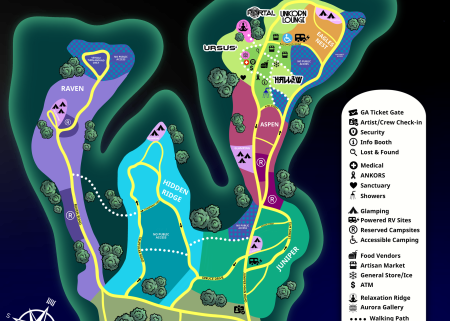 Wicked Woods ’26 Survival Guide
Plan Wicked Woods 2026 around vehicle passes, gate hours, uneven terrain, weather, offline maps, care routes, water, sleep and a festival-specific checklist.
Wicked Woods ’26 Survival Guide
Plan Wicked Woods 2026 around vehicle passes, gate hours, uneven terrain, weather, offline maps, care routes, water, sleep and a festival-specific checklist.