



The promise
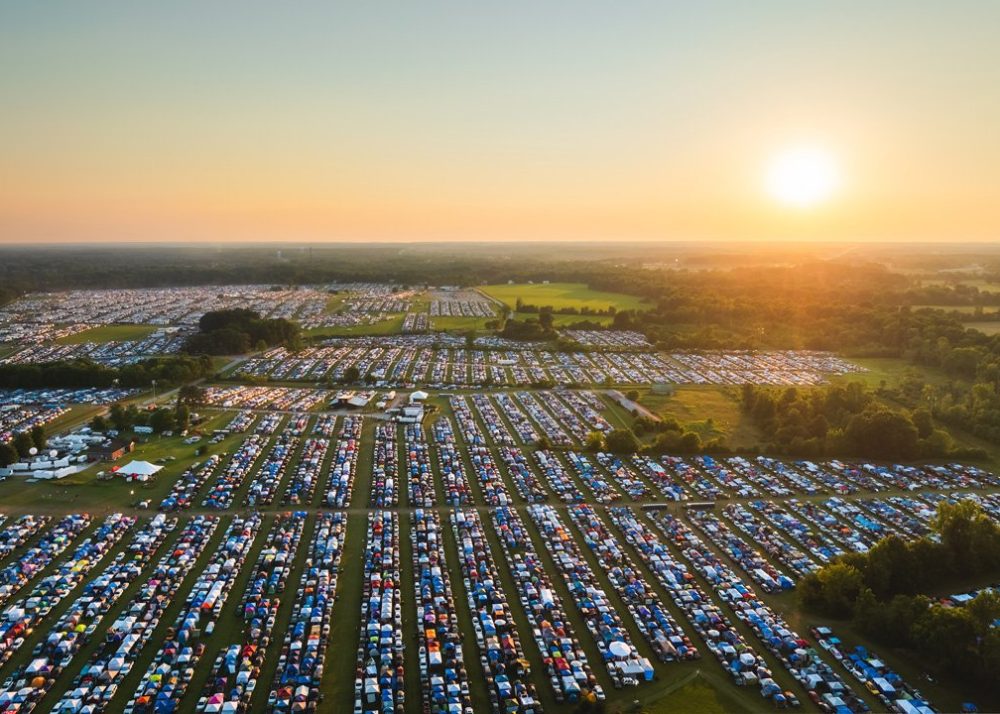
Bonnaroo is one of the great American festival ideas: take a farm in Tennessee, fill it with stages, camps, vendors, parades, plazas, late nights, and strangers, then see whether a temporary city can become more than a schedule.
The idea has history behind it. Bonnaroo began in 2002 in Manchester, Tennessee, when the first edition drew roughly 70,000 people to a farm for a four-day multistage campout. Its name comes through Dr. John’s Desitively Bonnaroo, with bonnaroo carrying the loose New Orleans meaning of a very good time. That origin is not a cute footnote. It tells you what Bonnaroo was trying to be before the brand became familiar: a Southern-rooted, genre-crossing, camping-based answer to the question of what an American festival could feel like after the jam-band circuit, alt-rock touring, and early-2000s festival ambition started overlapping.
The Farm became part of the mythology because it was not interchangeable real estate. The 700-acre Manchester site gave Bonnaroo room to function as a temporary city rather than a concert field. Over time, Centeroo, Outeroo, plazas, comedy, late-night sets, parades, and community rituals turned the campground into part of the mythology. That history is why a Bonnaroo return is never only a lineup announcement. It is a question about whether the Farm can still create the feeling that made people believe in the place.


That idea is still powerful. It is also carrying more strain than the old myth admits.
The 2026 edition arrives after the 2025 festival was stopped by heavy rain, so the context comes with real weight. It does not turn Bonnaroo into a failure story. Weather is real. Outdoor festivals are hard. Massive camping festivals are harder. But when a festival asks tens of thousands of people to camp, travel, spend, plan, and trust the site, weather preparation becomes part of the cultural contract.
Where the promise meets the ground
Bonnaroo is worth revisiting now. Booking names is not the test. It can. The 2026 lineup is broad enough to remind people why Bonnaroo became a reference point: Skrillex, The Strokes, RUFUS DU SOL, Noah Kahan, GRiZ, Turnstile, Major Lazer, Kesha, Tedeschi Trucks Band, Japanese Breakfast, Chase & Status, and enough oddities to keep the poster from feeling machine-polished.
Bonnaroo’s scale still has to feel communal instead of merely enormous.
Bonnaroo works when its scale feels porous rather than merely big. Centeroo and Outeroo matter because the festival is supposed to keep unfolding between the official sets. Yoga-Roo, Soberoo, Planet Roo, the Fountain, parades, plazas, markets, and campground surprises are not side decorations. They are the mechanisms that turn a crowd into a temporary culture.
Bonnaroo still has a special argument to make. A boutique camping festival can feel intentional because the scale makes that easier. Bonnaroo has to make intention work at giant size. That is a different achievement. If it works, the Farm becomes a city where pop fans, jam fans, bass kids, indie kids, sober campers, costume people, first-timers, veterans, and half-prepared road trippers all share the same strange weekend.
If it does not work, the same scale becomes punishment: long walks, heat, weather anxiety, camp fatigue, stage congestion, and the feeling that the festival is asking people to endure logistics rather than enter a world.
Why the story still holds
The honest edge is that two versions can exist in the same weekend. Bonnaroo can feel transporting and exhausting. It can be generous and difficult. It can be a homecoming and a stress test. That is what makes it worth covering seriously rather than flattening it into comeback hype.
The 2026 return is judged by more than the top line of the poster. Watch the infrastructure. Watch the water. Watch the weather response. Watch the campground experience. Watch whether the plazas feel alive. Watch whether the people who arrive for one artist leave with a bigger understanding of why camping festivals matter.
Bonnaroo can stay massive and still matter. The return has to make big feel cared for.
Bonnaroo remains important in the festival calendar. It is a mass gathering that still wants to feel like a culture, and that ambition is worth watching. When it works, the Farm turns scale from crowd management into possibility.
The 2026 question is whether that possibility still feels cared for at ground level. A great poster can bring people in, but shade, water, sound bleed, late-night flow, camp support, food access, and recovery spaces decide whether the mythology survives the weekend.
Affection still needs standards, especially when the Farm asks tens of thousands of people to live together for four days. Bonnaroo deserves affection because people keep returning to the Farm, but the return only means something when the systems respect the body and the culture they are asking people to believe in.
Up Next
Continue Exploring
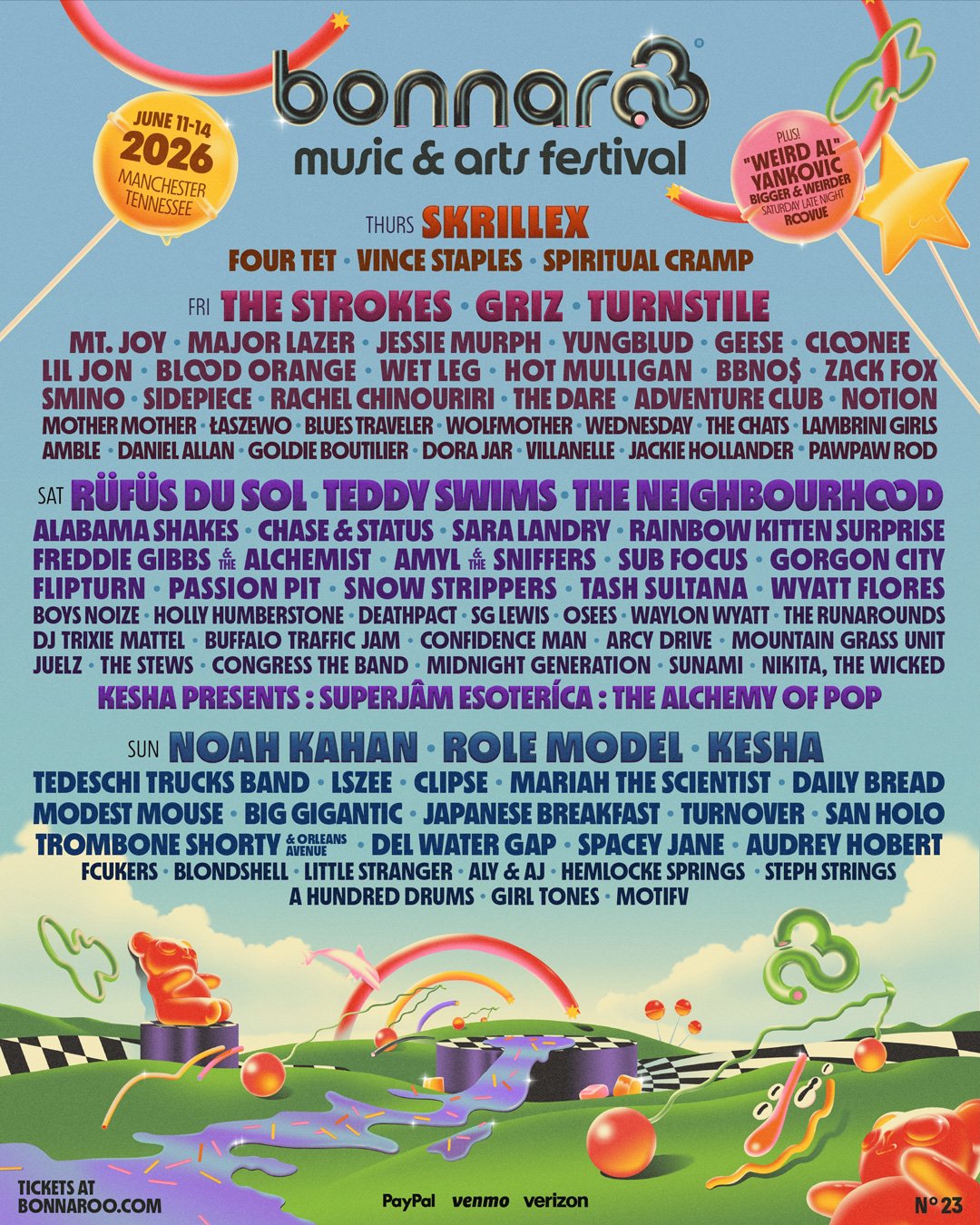 Bonnaroo Sound GuideHow to hear Bonnaroo 2026 across indie rock, pop, bass, jam, hip-hop, funk, country and late-night dance routes without chasing every set.
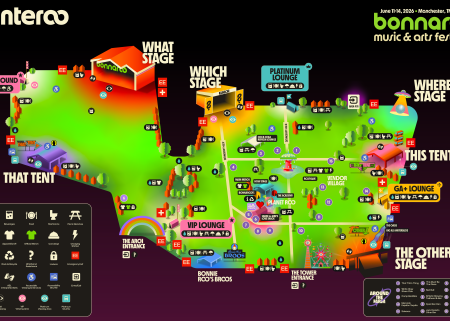 Bonnaroo Survival GuideA practical Bonnaroo 2026 plan for heat, storms, walking, camp organization, crowd exits, food, water, sleep and the return to the tent.
 Sonic Springs Survival GuidePrepare for forest camping, cool damp nights, weak signal, river rules, limited showers and the offline planning that makes Sonic Springs easier.