



The promise
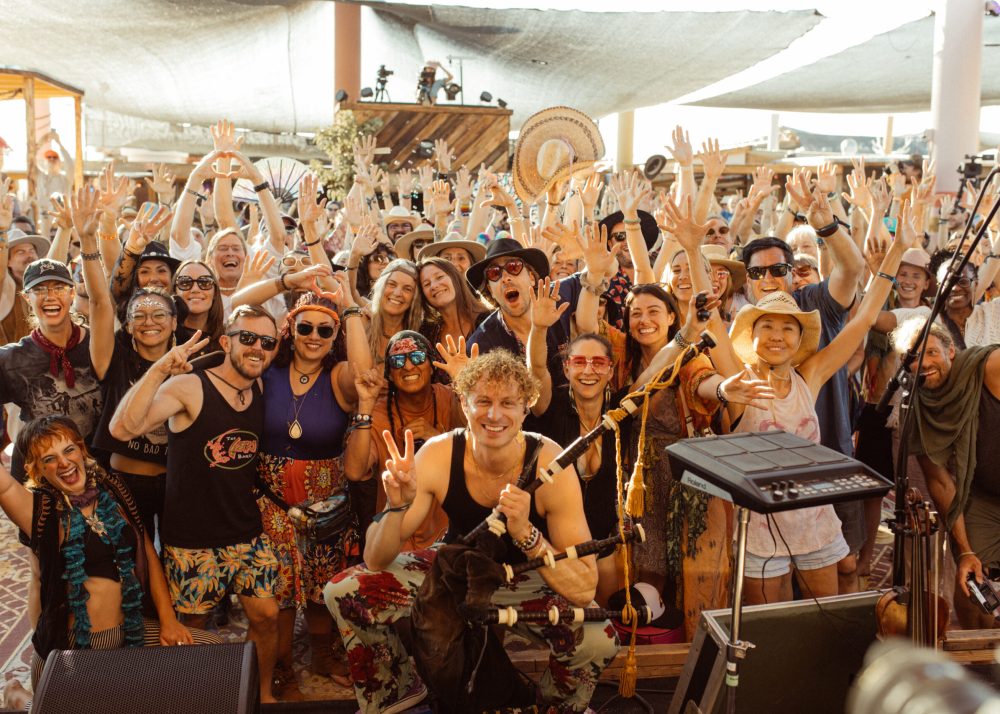
Some festivals sell scale. Joshua Tree sells proximity: to the stage, artists, workshops, camp neighbours and the desert, including moments nobody could have advertised properly.
That smallness has a real lineage. Joshua Tree Music Festival grew out of Barnett English’s long life inside campout festival circuit. Before JTMF became a recurring desert gathering, English had spent years travelling to festivals with JavaGogo, his organic espresso operation, learning what made campout communities work from the inside rather than from a promoter’s balcony. The origin story runs through Joshua Tree Lake Campground, the JT Didgeridoo Festival, and the discovery that this desert site could hold a different kind of music weekend.
That history explains the festival’s personality. JTMF is not built like a miniature version of a mega-festival. It carries the DNA of the smaller campout circuit: live music discovery, workshops, family space, healing and movement programming, vendors, and the belief that the person serving coffee, teaching a playshop, dancing beside you, or playing the next set may all belong to the same temporary village.


That gives JTMF a clear place in the festival map. Festivals do not have to grow upward. It can grow inward: into morning movement, family spaces, healing areas, artist discovery, small-stage intimacy, vendor relationships, and a crowd organised around camp neighbours, shared workshops and temporary neighbourhood ties rather than market segments.
The site helps. Joshua Tree Lake Campground shapes the entire weekend. The lake area, music bowl, art installations, Kidsville, playshops, yoga/healing space, and campground layout give the festival a human scale. You can leave a set, find shade, pass a workshop, hear another stage, and still feel like you are inside one coherent world.
Where the promise meets the ground
The appeal of a festival like this comes from what it asks of the reader. You do not attend Joshua Tree to chase the biggest name. You attend because you want your taste widened. You go to be surprised by a band, softened by a workshop, caught by a desert sunset, and reminded that small festivals often preserve the character with more tenderness than the larger machines can manage.
The Forever Home story turns Joshua Tree from a recurring desert weekend into a place-making project. A festival that wants to become a year-round cultural oasis is making a claim about continuity, not a single weekend’s entertainment. For independent festivals, small events often have the deepest local roots and the least margin for error.
It also clarifies the fashion and art lane. The richer Joshua Tree style lane uses handmade transformation: upcycled pieces, workshop-built adornment, live-art scene, costume-adjacent play, and outfits that can survive heat, dirt, night chill, and dancing without losing their imagination.
That is more interesting than simply photographing who looks expensive. It shows festival style as something made, altered, shared, repaired, and lived in. Joshua Tree’s intimacy gives that kind of expression more room because the crowd is small enough for the weekend to feel conversational.
The important thing is not to make Joshua Tree sound precious. It still has to function as a festival: people need enough shade, enough water, a real sleep plan, a willingness to miss things, and the humility to let the weekend be smaller than the internet makes festivals look. But that is exactly the value. The event asks for presence instead of conquest.
Why the story still holds
The listening path is not a ranking. Joshua Tree is a discovery festival. The route should match the weekend the reader wants: global rhythm, dusty funk, folk softness, late-night dance, family-hour discovery or a local set that makes the desert feel inhabited rather than decorative.
That gives Joshua Tree its centre: the festival does not need to dominate the season. It is trying to preserve a pace where discovery, style, care and belonging can still be felt at human distance.
The sound and survival angles matter for the same reason. A festival this intimate rewards preparation and openness in equal measure. If you bring shade, water, layers, and curiosity, the weekend has room to work on you.
If that sounds like the festival pace you want, follow Joshua Tree Music Festival’s official updates for future May and October editions.
Small does not mean slight. Joshua Tree shows how scale can become intimacy instead of limitation. When the crowd is smaller, a vendor conversation, a workshop, a camp neighbour, a daytime discovery, and a sunset set can all feel connected rather than scattered.
That is a different kind of festival ambition. Internet dominance is not the goal; continuity between the May and October editions matters more. It is trying to make people feel like they have entered a place where music, desert air, family programming, handmade style, and shared memory are close enough to touch.
Continue Exploring
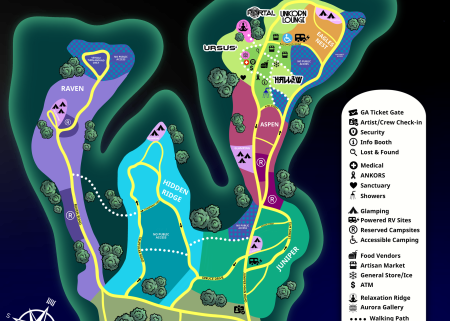 Wicked Woods ’26 Survival Guide
Plan Wicked Woods 2026 around vehicle passes, gate hours, uneven terrain, weather, offline maps, care routes, water, sleep and a festival-specific checklist.
Wicked Woods ’26 Survival Guide
Plan Wicked Woods 2026 around vehicle passes, gate hours, uneven terrain, weather, offline maps, care routes, water, sleep and a festival-specific checklist.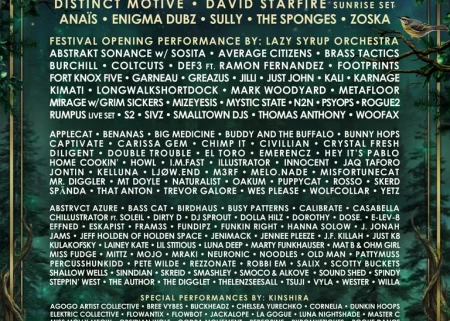 Wicked Woods ’26 Sound Guide
A listener-first route through the Wicked Woods 2026 lineup, from house and funk to deep 140, jungle, drum and bass, global bass and regional discoveries.
Wicked Woods ’26 Sound Guide
A listener-first route through the Wicked Woods 2026 lineup, from house and funk to deep 140, jungle, drum and bass, global bass and regional discoveries. Canada
Sonic Springs Survival Guide
Prepare for forest camping, cool damp nights, weak signal, river rules, limited showers and the offline planning that makes Sonic Springs easier.
Canada
Sonic Springs Survival Guide
Prepare for forest camping, cool damp nights, weak signal, river rules, limited showers and the offline planning that makes Sonic Springs easier.