



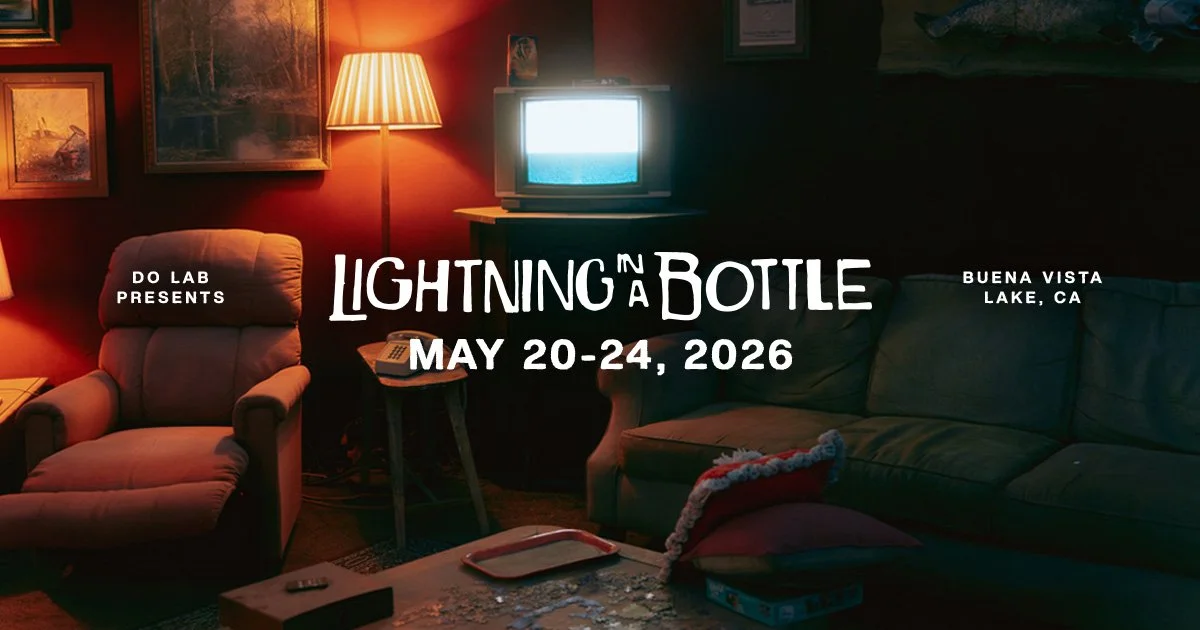
The 2026 edition
Lightning in a Bottle is the California lakeside temporary-city lane: a music festival, campout, art program, workshop village, style playground, and body-management test built around Buena Vista Lake. Lightning in a Bottle was scheduled for May 20-24, 2026 at Buena Vista Lake in Southern California, with camping, seven worlds, electronic music, live music, workshops, movement, art, markets, lake life, and the Do LaB’s long-running participatory ethos.
The lake, wind, dust, sun, campgrounds, and long walks shape the experience as much as the lineup. The 2026 edition included the Moon Room debut, Jive Joint and Unicorn Palace returning as sidequest programming, 150+ workshops, free-water access, ArtClave and Lightning in a Paintcan-style visual programming, and a public support structure that includes Sanctuary, medical services, Rangers, DanceSafe, and sober-community paths. The fashion angle remains practical. LIB style works best when camp reality is built into the silhouette: dust masks, scarves, goggles, sunglasses, boots, kimono layers, breathable pieces, jewelry that can move, swim layers, and nighttime warmth. The best looks understand the climate instead of pretending the body is not there. If you are LIB-curious, read the festival as a temporary city. Music shares the weekend with the camping system, water, care services and workshops; none of those parts can be treated as background.
The small performance spaces carry their own weight. The best weekend happens when you treat all of those as part of the same map.


How the festival takes shape
The key difference between LIB and a regular camping festival is authorship. The Do LaB design language has always aimed to place attendees inside a made environment where movement between spaces matters, rather than at a fenced concert. That shows up in the art, shade structures, side stages, oddball rooms, workshop villages, handmade market, and the feeling that a person can stumble into something that was not on their original schedule.
The festival-fashion lens becomes concrete here. LIB does not separate looking good from living outdoors. The lake reset, dust mask, costume layer, workshop mat, water bottle, sunglasses, boots, and night jacket all belong to the same visual language. The best LIB looks show that the person understands the site and can still move through it.
LIB is also a California festival with consequences. It has a real county relationship, real environmental conditions, real public-health context, and real camp-neighbour ethics. That makes the weekend more interesting than pure fantasy. LIB asks people to play, but it also asks them to participate in a functioning temporary settlement.
The lake is the emotional reset that separates LIB from many inland camping festivals. A reader needs to understand that the water changes pacing, fashion, social life, daytime recovery, and the way people survive the heat before the night programming takes over.
What matters on the ground
The practical reward is range without constant transit. A reader can move from a workshop or market stop to the lake, reset at camp, and return to music without pretending every hour needs to be a peak.
That lake-and-camp rhythm is what makes LIB different from a city festival. You are not leaving the venue after the set. You are living inside the consequences of the day, which makes preparation part of the weekend’s logic.
LIB feels exciting and legible before it ever sounds effortless.
Use the official Lightning in a Bottle site as the planning base, then read the festival as a full temporary city: stages, lake, campgrounds, Compass programming, Grand Artique, yoga, talks, food, markets, art cars, and all the strange little routes between them.
Continue Exploring
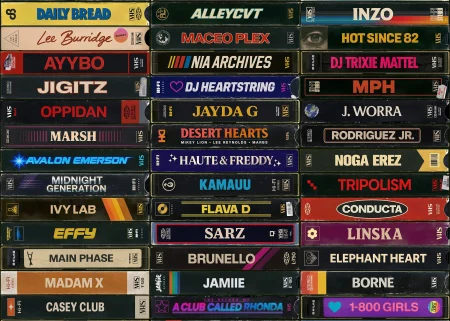 United States
Lightning in a Bottle Sound Guide
A body-led route through Lightning in a Bottle 2026 across spectacle, techno, drum and bass, textured low end, groove and sidequests.
United States
Lightning in a Bottle Sound Guide
A body-led route through Lightning in a Bottle 2026 across spectacle, techno, drum and bass, textured low end, groove and sidequests. United States
Lightning in a Bottle Survival Guide
Lightning in a Bottle 2026 preparation for heat, dust, wind, water, camp shade, footwear, food, health guidance and care systems.
United States
Lightning in a Bottle Survival Guide
Lightning in a Bottle 2026 preparation for heat, dust, wind, water, camp shade, footwear, food, health guidance and care systems.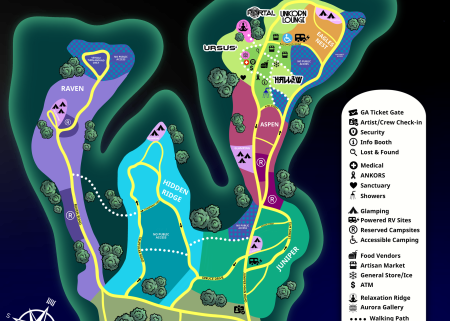 Wicked Woods ’26 Survival Guide
Plan Wicked Woods 2026 around vehicle passes, gate hours, uneven terrain, weather, offline maps, care routes, water, sleep and a festival-specific checklist.
Wicked Woods ’26 Survival Guide
Plan Wicked Woods 2026 around vehicle passes, gate hours, uneven terrain, weather, offline maps, care routes, water, sleep and a festival-specific checklist.