



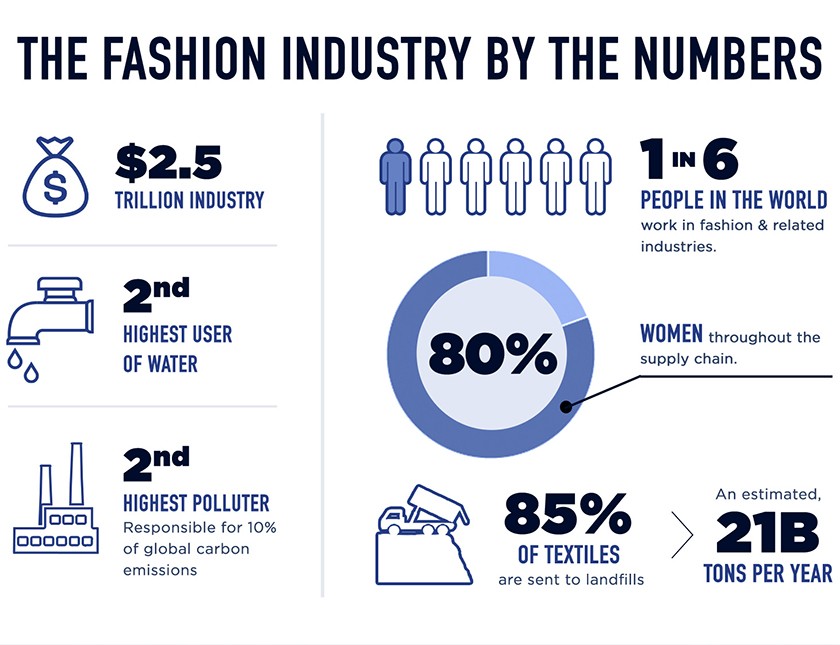
A $2.5 trillion industry, fashion is the 2nd largest user of water and 2nd highest polluter, contributing 10% of carbon emissions. Globally, one in six people work in apparel and women represent 80% of the supply chain. While this scale and global integration propel fashion to a top rank on any impact index, it is its nature of constant reinvention that also becomes its opportunity for rapid reevaluation and transformation.
The Fair Fashion Center’s (FFC) work combines economic value creation with environmental stewardship, social inclusion, and sound ethics. The FFC’s efforts are built upon the recognition that systemic change in the fashion industry requires an approach that is aligned to the industry’s disciplines and reconciled to the bottom line.
The Center aims to move company initiatives beyond CSR, and empower organizations to embed sustainable business practices by providing solutions across business functions. The research has been prioritized by the industry and is guided by public sector organizations like the United Nations.


Continue Exploring
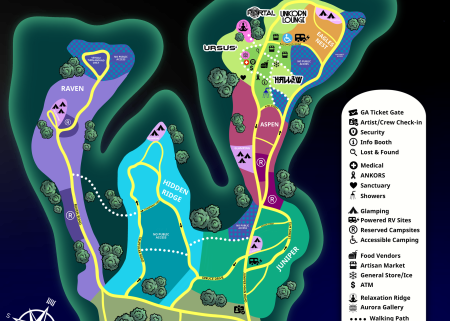 Wicked Woods ’26 Survival Guide
Plan Wicked Woods 2026 around vehicle passes, gate hours, uneven terrain, weather, offline maps, care routes, water, sleep and a festival-specific checklist.
Wicked Woods ’26 Survival Guide
Plan Wicked Woods 2026 around vehicle passes, gate hours, uneven terrain, weather, offline maps, care routes, water, sleep and a festival-specific checklist.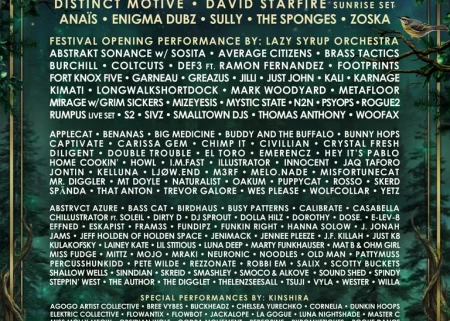 Wicked Woods ’26 Sound Guide
A listener-first route through the Wicked Woods 2026 lineup, from house and funk to deep 140, jungle, drum and bass, global bass and regional discoveries.
Wicked Woods ’26 Sound Guide
A listener-first route through the Wicked Woods 2026 lineup, from house and funk to deep 140, jungle, drum and bass, global bass and regional discoveries. Canada
Sonic Springs Survival Guide
Prepare for forest camping, cool damp nights, weak signal, river rules, limited showers and the offline planning that makes Sonic Springs easier.
Canada
Sonic Springs Survival Guide
Prepare for forest camping, cool damp nights, weak signal, river rules, limited showers and the offline planning that makes Sonic Springs easier.