



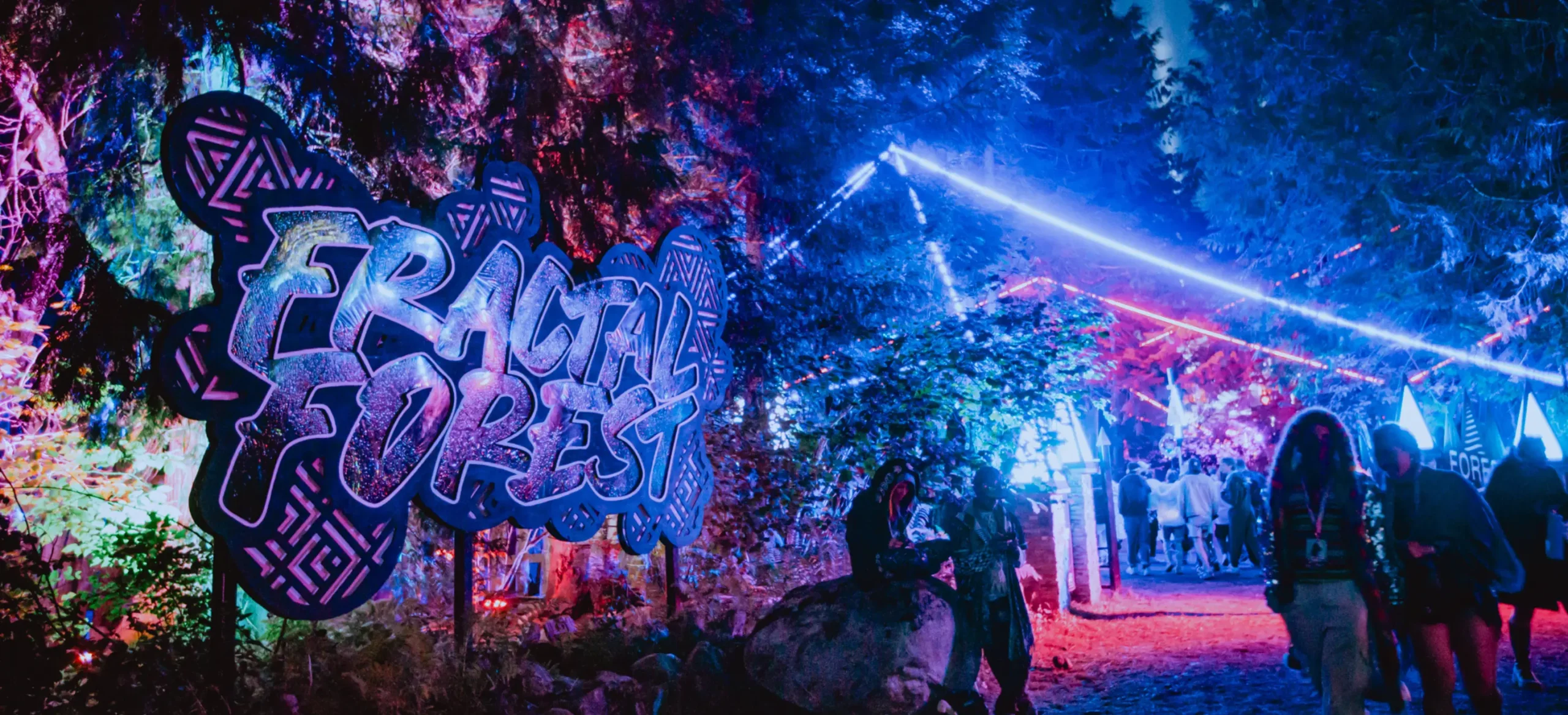
The 2026 edition
Shambhala Music Festival’s 27th annual edition takes place July 24-27, 2026 at Salmo River Ranch, 6 km east of Salmo, British Columbia. The 2026 lineup brings 150+ artists to the Farm, with six stage identities, a massive electronic-music range, camping, art, vendors, safety services, and one of the strongest community mythologies in North American festival life.
Shambhala’s scale comes from social density as much as crowd size. People come for specific stages, specific sounds, specific camp rituals, specific friends, and the feeling that the Farm is its own temporary country. The official language around the festival leans into that return-home mythology because the audience already speaks that way.
The core reason to cover Shambhala is care plus intensity. This is a festival with heavy electronic sound, late nights, dust, river recovery, and a famously committed crowd. Shambhala treats harm reduction, medical support, Sanctuary, consent outreach and ANKORS drug checking as core infrastructure rather than awkward side notes. They shape how the place works.


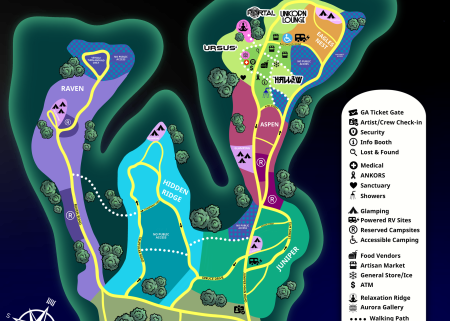
The details matter: Shambhala is handmade in ways that are easy to miss if you only look at the poster. The Living Room’s river-beach identity, The Grove’s embedded art and tea-hive feel, the Wishing Tree and Wedding Chapel, body-positive workshop strands, Camp Clean Beats, ANKORS, and explicit costume rules all belong to the same story. Bass is only one part of the pilgrimage. The Farm becomes a temporary city with care systems, style codes and ritual spaces.
How the festival takes shape
The fashion story is not runway polish. The visual language is farm-world expression: handmade pieces, upcycled layers, body paint, theme days, weather-beaten boots, river clothes, night layers, and rules that ask people to respect the land and the cultures they borrow from. That distinction frames style as responsible self-expression rather than spectacle alone.
The 2026 lineup keeps the Farm wide open: Excision, Ganja White Night, Liquid Stranger, Hamdi, Dimension, Sigma, Boris Brejcha, Cloonee, Eli Brown, Solardo, Chromeo, A-Trak, Tycho, Uncle Waffles, EarthGang, and more. That range lets Shambhala move from heavy bass to house, techno, DnB, funk, global rhythm, and melodic release without losing the Farm identity.
If Shambhala is your goal this year, join the official waitlist, check shuttle/lodging options, and start reading the prep pages now.
Build the rest of your plan with the Shambhala Sound Guide and Shambhala Survival Guide, then read why Shambhala is a festival ritual built on return.
Shambhala is one of the clearest examples of a festival that is not reducible to its lineup. The stages are famous, but the Farm is the actual container: Fractal Forest, The Village, The Pagoda, The Living Room, The Grove, AMP, the river, the dust, the costumes, the harm-reduction systems, the Farmily language, and the feeling that people return because the place remembers them.
The 2026 Shambhala reality foregrounds access and scale. Tickets are sold out, which changes the practical prompt from “buy now” to a reality check: waitlist, shuttle, lodging, volunteering, crew paths, and verified official channels matter. Shambhala is not a festival to improvise through random resale faith.
What matters on the ground
Shambhala sits at the intersection of bass music, shared memory, expressive fashion, river recovery, and some of the strongest harm-reduction infrastructure in North American festival life. That combination is rare. That density makes the festival feel intense, beloved and intimidating at once.
New arrivals need to understand the norms before they arrive. The costume rules, consent language, ANKORS presence, Camp Clean Beats, Sanctuary, river etiquette, and leave-no-trace expectations are not side notes. They are part of the social contract that lets the weekend function.
Use the official tickets, waitlist, shuttle, lodging, FAQ, health, safety, and harm-reduction pages before planning.
The size is part of the story. Shambhala is not boutique in the Bass Coast sense, but it is not a faceless corporate mega-festival either. It feels large enough to create serious stage gravity and small enough that returning crowds, camp memory, and stage loyalty still shape the weekend.
The no-alcohol rule also changes the read. The weekend is not sober in a simple sense, but the absence of alcohol sales changes the social texture, the harm-reduction conversation, and the way people think about care. That distinction affects the feel of the Farm.
Shambhala’s draw feels earned. The remote setting, sold-out access, stage devotion, long nights, and care systems all signal a festival people prepare for because the place has a memory larger than one weekend.
Continue Exploring
 Wicked Woods ’26 Survival Guide
Plan Wicked Woods 2026 around vehicle passes, gate hours, uneven terrain, weather, offline maps, care routes, water, sleep and a festival-specific checklist.
Wicked Woods ’26 Survival Guide
Plan Wicked Woods 2026 around vehicle passes, gate hours, uneven terrain, weather, offline maps, care routes, water, sleep and a festival-specific checklist.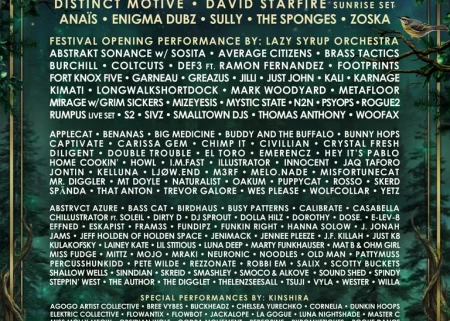 Wicked Woods ’26 Sound Guide
A listener-first route through the Wicked Woods 2026 lineup, from house and funk to deep 140, jungle, drum and bass, global bass and regional discoveries.
Wicked Woods ’26 Sound Guide
A listener-first route through the Wicked Woods 2026 lineup, from house and funk to deep 140, jungle, drum and bass, global bass and regional discoveries. Canada
Sonic Springs Survival Guide
Prepare for forest camping, cool damp nights, weak signal, river rules, limited showers and the offline planning that makes Sonic Springs easier.
Canada
Sonic Springs Survival Guide
Prepare for forest camping, cool damp nights, weak signal, river rules, limited showers and the offline planning that makes Sonic Springs easier.